
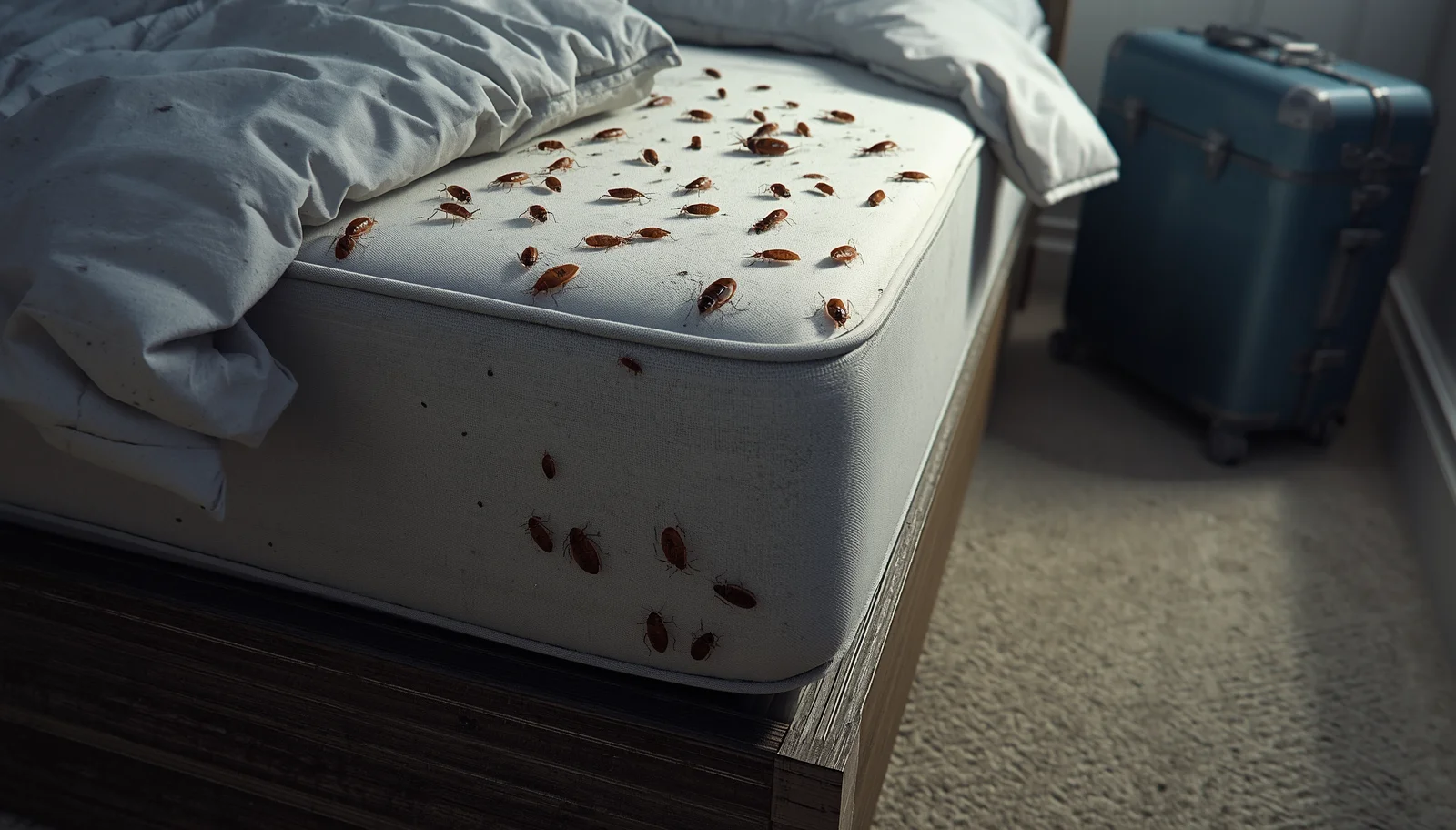
Bed bugs are one of the most resilient household infestations on earth — and they don’t discriminate. Clean hotels, luxury apartments, and spotless family homes are all at risk. Understanding what bed bugs are, how infestations start, and how to eliminate them fast is the first step toward protecting your home and your health.
Every year, pest management professionals report a steady rise in household infestation cases. According to a National Pest Management Association survey, bed bug infestations have surged by over 70% in the last decade across North America, Europe, and Australia. The reasons are complex — but they are entirely understandable, and most importantly, preventable.
In this guide, you’ll find everything from the hidden causes of indoor parasite outbreaks to a step-by-step prevention checklist, a DIY vs. professional treatment comparison, and expert tips specifically for frequent travelers. Whether you’ve spotted suspicious bites or just want to stay protected, this guide has you covered.
1 in 5
American homes have dealt with bed bugs, or know someone who has
12 mo.
How long can adults survive without feeding in cool conditions
113°F
The temperature at which bed bugs are killed within 90 minutes
200+
A single female can lay eggs in her lifetime
Understanding Bed Bugs
Bed bugs (Cimex lectularius) are small, wingless, blood-feeding insects that belong to the family Cimicidae. They are nighttime pests, most active in the hours before dawn, and have been feeding on humans for thousands of years. Ancient Egyptian papyri and Roman texts both mention infestations that match the behavior of today’s modern pest.
Appearance and Physical Characteristics
Adult bed bugs are roughly the size of an apple seed — about 4 to 5 millimeters long. They are flat, oval-shaped, and reddish-brown in color. After feeding, they become swollen and take on a deeper, darker red. Nymphs (juvenile bugs) are smaller and almost transparent, making early detection methods particularly challenging without proper lighting.
Their bodies are specially designed for survival. A saliva-based anesthetic they inject during feeding numbs the skin so most people don’t feel the bite at all — which is one of the primary reasons infestations often go undetected for weeks or even months.
 Quick Answer — Featured Snippet Ready
What are bed bugs? Bed bugs are small, flat, reddish-brown insects about the size of an apple seed. They feed exclusively on blood, typically at night, by injecting a numbing agent into the skin before biting. They do not fly or jump, do not transmit disease, but cause significant itchy skin welts and psychological distress.
Why These Pests Spread So Quickly
Bed bugs reproduce at an alarming rate. A single mated female can lay between 1 and 5 eggs per day, and up to 200 to 500 eggs in her lifetime. Eggs hatch in 6 to 10 days, and nymphs reach reproductive maturity in as little as 5 weeks under warm conditions. This exponential growth means a small hidden insect colony can become a full-blown infestation within two to three months.
Health Risks and Skin Reactions
While bed bugs are not known to transmit infectious diseases directly, the health consequences are real. Beyond itchy skin welts and visible skin marks, chronic infestations have been linked to secondary skin infections from scratching, insomnia, anxiety, and in rare cases, iron-deficiency anemia in vulnerable individuals. Allergic skin reactions ranging from mild redness to severe hives are also well-documented.
How Infestations Start
One of the most damaging misconceptions about bed bugs is that infestations only happen in dirty homes. The reality is that infestation causes have nothing to do with cleanliness. These pests travel — and they are expert hitchhikers.
Travel and Hotel Exposure
Hotels, hostels, and short-term rentals are among the most common sources of lodging-related pests. Bed bugs can thrive in even five-star establishments if proper pest inspection services aren’t maintained. They hide in mattress seams, headboards, and upholstered furniture — and they move into your luggage effortlessly.
 Expert Insight
According to the NPMA’s 2023 Bugs Without Borders survey, 75% of pest professionals treat bed bug infestations in hotels, and 67% treat them in single-family homes — confirming that transportation exposure during travel is one of the leading infestation causes.
Risks From Used Furniture
Secondhand sofas, bed frames, and wooden frame gaps in furniture are prime real estate for hidden insect colonies. Furniture contamination is one of the least-talked-about vectors. Before bringing any secondhand item into your home, especially upholstered surfaces, inspect every seam, crevice, and joint with a flashlight.
Hitchhiking Through Bags and Clothing
Contaminated fabrics — including gym bags, backpacks, and even dry-cleaned clothing stored in public facilities — can carry eggs or live bugs. The question “can insects travel in luggage?” has a clear answer: yes, very easily. A single pregnant female hiding in a coat seam is enough to start an infestation.
Spreading Between Apartments and Homes
In multi-unit residential buildings, bed bugs travel through cracked wall crevices, electrical conduits, and shared plumbing walls. If one unit is infested and left untreated, neighboring apartments are at high risk within weeks — particularly because the bugs follow CO₂ and body heat through walls.
The Truth About Pets and Outdoor Sources
Bed bugs do not live on pets the way fleas do — they prefer fabric seams and wooden surfaces near sleeping humans. However, pet bedding and outdoor furniture brought inside can harbor bugs that were picked up in shared outdoor or communal spaces. Animals are not the main cause, but they are occasionally a passive vector.
What Draws Them Into Your Home
Understanding the behavioral triggers that attract these pests is essential for pest management solutions and targeted prevention.
Carbon Dioxide and Human Presence
The primary attractant for bed bugs is the carbon dioxide exhaled by sleeping humans, combined with body heat and skin odors. This is why sleeping area contamination is so common — the bedroom is where they concentrate. Vacant homes may see populations decline as bugs can survive without food for up to 12 months in cool conditions, but they never fully disappear.
Warm Sleeping Environments
Warmth accelerates the reproductive cycle and encourages indoor insect activity. Mattresses, box springs, and upholstered bed frames retain heat and provide both food access and hiding security. Sleeping area contamination typically starts within 1.5 meters of where a person sleeps.
Attraction to Dirty Laundry
A 2017 University of Sheffield study found that bed bugs were significantly more attracted to worn, unwashed clothing than clean clothing — suggesting that human scent compounds, not just CO₂, play a major role. This makes laundry left on the floor a particular risk factor, especially when traveling.
Preferred Colors and Hiding Behavior
Why Red and Black Attract Them
Research published in the Journal of Medical Entomology found that bed bugs show a preference for red and black harborages — colors that may mimic dark, enclosed spaces where they naturally aggregate. This can slightly influence furniture contamination risks based on upholstery colors, though it’s a minor factor compared to warmth and CO₂.
Colors They Tend to Avoid
The same research indicated that lighter shades — white, yellow, and green — were less preferred. Choosing light-colored bedding makes visual monitoring and early detection methods easier and slightly less hospitable to wandering bugs.
Common Hiding Places Indoors
Identifying hidden nesting spots is a critical skill for both homeowners and professional pest inspection services. Bed bugs are drawn to tight, dark spaces close to their food source.
🛏
Mattresses & Box Springs
Seams, tags, and corner folds are the most common first locations.

Upholstered Furniture
Sofas, armchairs, and ottomans — especially in guest rooms.

Cracked Walls
Cracked wall crevices and loose wallpaper hide hundreds at a time.

Electrical Outlets
Wiring channels allow them to travel between rooms and units.

Luggage & Storage
Bags left near the bed after travel are a major re-infestation risk.

Books & Clutter
Clutter hiding spots give populations room to expand undetected.
When conducting your own inspection, use a bright flashlight and a credit card or flat tool to open seams and joints. Look for live bugs, shed skins, tiny white eggs, dark residue marks (fecal matter), and stained bed sheets. Even a single egg cluster found early can save a homeowner thousands in professional extermination costs.
Early Warning Signs of an Infestation
Early detection methods are your best weapon. The sooner you identify an infestation, the simpler and less expensive the pest elimination process becomes.
Bite Marks and Skin Irritation
Waking up with itchy, red welts — particularly on exposed skin areas like arms, neck, shoulders, and ankles — is often the first sign. However, not everyone reacts to bites. Up to 30% of people show no visible reaction at all, making bite-based detection unreliable on its own.
Blood Stains on Sheets
Small rust-colored blood spots on pillowcases or sheets occur when a feeding bug is accidentally crushed during sleep. These stained bed sheets are a reliable indicator, especially when paired with other signs.
Dark Spots and Shed Skins
Dark residue marks along mattress seams are fecal deposits — a definitive sign of active bug presence. Shed exoskeletons (nymphs molt 5 times before adulthood) look like translucent, empty bug shells and confirm that bugs have been living and growing in that spot for some time.
Tiny Eggs and Musty Odors
Eggs are white, pearl-shaped, and about 1mm long — often found in clusters in fabric seams. A sweetish, musty odor, sometimes compared to coriander or wet towels, comes from scent glands and is typically noticeable only in heavy infestations.
Recognizing Bite Symptoms
Common Bite Patterns
Bed bug bites typically appear in a distinctive linear or clustered pattern — often described as “breakfast, lunch, and dinner” — because a single bug feeds multiple times along the same skin path. The bites are small, raised, red welts surrounded by a pale halo, and they itch intensely.
Differences Between Flea and Mosquito Bites
Flea bite comparison: flea bites tend to concentrate around the ankles and feet, often with a red halo and immediate reaction. Mosquito bites are more random in placement and typically raise a large welt quickly. Bed bug bites appear in grouped clusters on exposed areas and may not become visible for 1 to 3 days after the bite due to the saliva-based anesthetic injected during feeding.
Allergic Reactions and Severe Symptoms
For most people, bite relief methods including antihistamine creams, hydrocortisone, and cool compresses are sufficient. However, some individuals experience severe allergic skin reactions — including blistering, hives, and in rare cases, anaphylaxis. Anyone with a known insect allergy should seek medical evaluation after repeated bites.
When Medical Attention Is Necessary
Seek care if bites show signs of secondary infection (increasing redness, warmth, pus), if you develop a fever after multiple bites, or if breathing difficulties or widespread hives occur. These are signs the reaction has escalated beyond typical skin inflammation.
Natural and DIY Removal Methods
For early-stage infestations, natural pest removal and deep-cleaning strategies can make a meaningful difference. These methods work best when combined and applied consistently over several weeks.
Deep Cleaning and Vacuuming
Deep vacuum cleaning is one of the most effective immediate-action steps. Use a HEPA-filter vacuum along all mattress seams, baseboards, carpet edges, and furniture joints. Immediately seal the vacuum bag in a plastic bag and dispose of it outside your home to prevent re-infestation.
Heat Washing and High-Temperature Drying
Heat washing all bedding, curtains, and clothing at 60°C (140°F) or above kills bed bugs at all life stages, including eggs. High-heat drying for at least 30 minutes provides an additional layer of pest elimination. This is one of the few DIY methods with strong scientific backing.
Freezing Infested Fabrics
Does freezing kill pests? Yes — placing infested items in sealed plastic bags and freezing them at -18°C (0°F) for at least 4 days will kill bed bugs. This method works well for items that can’t be washed, like delicate fabrics, books, or electronics.
Decluttering Problem Areas
Reducing clutter hiding spots eliminates potential harborage sites. Bags, cardboard boxes, clothing piles, and stacked magazines all provide shelter for expanding colonies. A clean, organized sleeping area is genuinely harder to infest.
Sealing Cracks and Entry Points
Apply caulk or sealant to cracked wall crevices, gaps around baseboards, and spaces around electrical outlets. This limits movement between rooms and reduces hiding options. It won’t eliminate an existing population, but it significantly slows spread.
Using Steam for Better Results
Steam cleaning methods using temperatures above 120°C (248°F) can penetrate fabric seams and reach hidden insect colonies that vacuums miss. Steam cleaners designed for pest control are widely available and provide chemical-free, effective sanitation techniques for mattresses and upholstered surfaces.
“No single DIY method eliminates bed bugs completely. What works is a coordinated, sustained approach — heat treatment, vacuuming, sealing, and monitoring — applied over four to six weeks. If you miss a single egg cluster, the infestation resets.”— Dr. Richard Cooper, PhD BCE, Applied Entomologist & Bed Bug Specialist
Professional Treatment Options
Why Home Remedies Often Fail
The fundamental challenge with pest removal solutions is that bed bugs are increasingly chemically resistant insects. Many over-the-counter insect control sprays have shown reduced effectiveness against modern populations. Without professional-grade heat treatment or residual chemicals applied by licensed exterminators, colonies often survive and rebound.
|
Factor |
DIY Methods |
Professional Extermination |
|
Effectiveness |
Moderate — works for light cases |
High — 90–95% success rate |
|
Cost |
Low — $20–$200 for supplies |
Medium–High — $300–$5,000+ |
|
Speed |
Weeks to months of sustained effort |
1–3 treatment sessions (1–4 weeks) |
|
Egg elimination |
Poor — most sprays don’t kill eggs |
Excellent — heat kills all stages |
|
Chemical use |
Variable — OTC products, essential oils |
Targeted residual chemicals + heat |
|
Follow-up |
Manual monitoring required |
Often includes follow-up visits |
|
Best for |
Early-stage, limited infestations |
Moderate to severe infestations |
|
Risk of recurrence |
High — without full eradication |
Low — with proper follow-up |
Heat Treatment vs Chemical Solutions
Heat-based elimination raises the temperature of an entire room to above 56°C (133°F), killing bed bugs and eggs at all life stages within minutes. It is chemical-free and highly effective — making it the gold standard in emergency infestation cleanup. Chemical solutions use residual pesticides that continue working for weeks after application but may require multiple sessions due to egg resistance.
What Exterminators Actually Do
Bed Bug Exterminator services typically begin with a thorough pest inspection, confirming the extent of the infestation before treatment. They then apply a combination of approaches: targeted heat, residual chemical sprays to fabric seams and furniture joints, and mattress encasements. Residential pest services usually offer a written guarantee for repeat treatment if bugs reappear within 30 to 90 days.
Signs You Need Professional Help
- Bites continue after 2–3 weeks of DIY treatment
- Live bugs or eggs found after repeated vacuuming
- Infestation has spread to multiple rooms
- You live in a multi-unit building where neighbors are also infested
- Immunocompromised or allergy-prone residents are in the home
Prevention Tips for Long-Term Protection
The most effective pest management solutions are those applied before bugs arrive. These home protection methods are simple, cost-effective, and proven
 Home Protection & Travel Prevention Checklist
At hotels: place luggage on the luggage rack, never on the bed or floor. Inspect the mattress seams and headboard before unpacking.
After traveling, wash and heat-dry all clothing immediately. Vacuum the inside of your suitcase and store it in a sealed bag.
Secondhand furniture: inspect every seam and joint before bringing used items indoors. Consider steam cleaning upholstery on delivery.
Mattress encasements: use zippered, bed-bug-proof mattress covers and box spring encasements to eliminate hiding spots.
Reduce clutter: minimize floor-level storage near beds to eliminate clutter hiding spots.
Seal cracks: caulk cracked wall crevices and gaps around baseboards, especially in older buildings.
Regular inspection: check mattress seams and bed frame joints monthly, especially after guests stay overnight.
Intercept traps: place bed leg interceptors under each bed post to catch bugs attempting to climb up.
 Myth
Myth
Infestations only happen in dirty, unhygienic homes.
.
Fact
Infestations are entirely about proximity to humans, not cleanliness. Five-star hotels and spotless apartments are commonly infested.
Myth
Bed bugs can fly or jump from host to host.
.
Fact
Bed bugs have no wings and cannot jump. They crawl at about 1 meter per minute and travel through contact with infested items.
Myth
Pets bring bed bugs in from outside, like fleas.
.
Fact
Bed bugs strongly prefer human hosts and fabric surfaces. Pets are very rarely the source of an infestation.
Myth
A can of bug spray will solve the problem.
.
Fact
Many bed bug populations have developed resistance to common pesticides. OTC sprays kill on contact but don’t reach hidden eggs or deeply harbored colonies.
Travel Safety Checklist
Before Leaving Home
- Pack luggage in hard-shell cases — fabric bags are easier for bugs to penetrate
- Bring large zip-lock bags or bin liners to store dirty laundry separately during travel
- Note your accommodation’s recent reviews for any pest complaints
During Your Stay
- Pull back the bedding and examine the mattress seams, corners, and headboard
- Check the luggage rack and any upholstered chairs before placing belongings on them
- Keep suitcases on the rack — never on the bed or floor
- Report any bites or suspicious spots to hotel management immediately and request a room change
Steps to Take After Returning
- Unpack luggage outside or in the garage, not in the bedroom
- Wash all clothing in hot water and heat-dry immediately
- Vacuum the interior of the suitcase thoroughly and store in a sealed plastic bag
- Monitor for bite symptoms for at least 2 weeks after returning
Frequently Asked Questions
What is the main cause of bed bug infestations?
Bed bugs most commonly enter homes through travel. They hitchhike in luggage, clothing, and used furniture. Hotels, hostels, and public transport are primary sources of travel-related exposure. Unlike pests that live outdoors and wander inside, bed bugs are entirely human-dependent and spread exclusively through human activity.
Can bed bugs live in human hair?
No. Unlike lice, bed bugs do not live in hair. They prefer fabric seams, mattress edges, and wooden frame gaps near sleeping areas. They come out to feed briefly — usually for 3 to 12 minutes — and then return to their hiding spots. Hair is not a preferred harborage site.
How long can bed bugs survive without feeding?
Adult bed bugs can survive 6 to 12 months without a blood meal in cooler conditions (around 55°F / 13°C). At normal room temperature, the lifespan without feeding is typically 2 to 3 months. This makes starving them out by vacating a property essentially ineffective
Which smells help repel bed bugs?
Lavender, tea tree oil, peppermint, neem oil, and diatomaceous earth are commonly cited natural pest removal options. While some studies show mild repellent effects, none are proven to eliminate an active infestation on their own. They may help with prevention, but should not replace professional treatment in confirmed cases.
Can washing machines kill bed bugs?
Yes — washing fabrics at 60°C (140°F) or above kills bed bugs at all life stages, including eggs. High-heat drying for 30 or more minutes is equally effective and can be used alone, even for items not washed in water. This is one of the most reliable and cost-free pest elimination methods.
Why do bed bug bites appear in lines or clusters?
Bed bugs feed multiple times along the same exposed skin area in a single feeding session, creating the classic “breakfast, lunch, dinner” linear or clustered bite pattern. The bites may not appear immediately — the saliva-based anesthetic delays the inflammatory reaction, sometimes by 24 to 72 hours.
Are bed bugs active during daylight hours?
Bed bugs are primarily nocturnal but will feed during daylight hours if they are hungry and a host is present. In heavily infested rooms where the nighttime population is large, daytime feeding behavior becomes more common — a sign the infestation has progressed significantly and needs urgent professional attention.
Can clean homes get infested with bed bugs?
Absolutely. Infestation causes have nothing to do with cleanliness. A spotless home can become infested after a single night in an infested hotel, one used furniture piece, or a visit from a guest whose home is infested. This is one of the most persistent and damaging myths about these pests.
Final Thoughts on Bed Bug Prevention and Control
Bed bugs are resilient, adaptable, and deeply uncomfortable to deal with — but they are not invincible. The key is awareness: understanding how infestations start, recognizing the early warning signs, and acting quickly and decisively when they appear.
For homeowners, the priority is regular inspection, protective mattress encasements, and sealing structural vulnerabilities. For travelers, the hotel inspection checklist and smart luggage habits are genuinely life-changing habits that take under five minutes and can save weeks of stress.
When an infestation is confirmed, don’t delay. The earlier professional exterminator services are engaged, the more limited the spread, the lower the cost, and the faster your home returns to normal. Bed bugs are a common household problem — but with the right knowledge and the right action, they are also a solvable one.

